Up next in 10


Subscribe: https://bit.ly/28Kc0Cd
⏩More Info: ⏪
Like us on Facebook: https://www.facebook.com/theheartysoul
Website: http://theheartysoul.com
Show More Show Less View Video Transcript
0:00
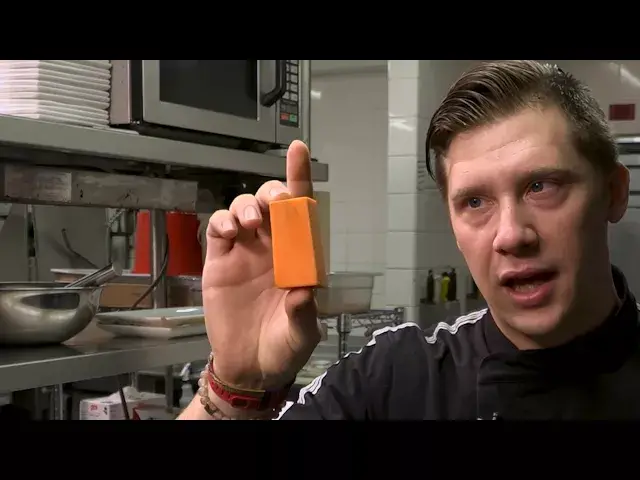
Hey everybody, Chef Trevor Littlejohn here, Chef de Partie of Benchmark Restaurant at
0:03
Canadian Food and Wine Institute, and today we're here at Winekeller Restaurant and I'm
0:07
going to make you a vegan orange tofu satay noodle salad. So let's get started cooking with Trevor
0:30
In front of us today, we've got a wide variety of ingredients
0:36
We've got some Asian influence, we've got a little bit of Japanese influence, and we're
0:40
using rice noodles today. Now rice noodles are a gluten-free alternative that you can use in any noodle or pasta salad
0:47
Today I'm using a vermicelli version, so very thin, almost linguine-like. And all I've done to prepare those and get them ready for our noodle salad is I've literally
0:55
submerged them in boiling water for two minutes and then rinsed them under cold water and
0:59
let them sit. And unlike our lessons with regular pasta, rice does not give a lot of starch off of
1:06
it, so we don't really need to preserve the starch in these noodles because we're going
1:09
to bind it with a really nice peanut dressing afterwards. So to start with, we're going to use our tofu
1:15
And today we're using extra firm tofu because we want to make the texture of chicken when
1:19
we're done with it. And all we need to do to get this ready for our preparation today is just a few simple techniques
1:25
Because it's already a square and a flat surface, we don't have to worry about squaring it up
1:29
But all we want to do is make one centimeter slices out of that tofu
1:40
And tofu is a soybean product. It's a really good alternative to people who want to have protein in their diet and don't
1:48
really want to eat meat. So we're just going to make each of these slices
1:52
We're going to turn them into kind of like chicken strip pieces, if you will
1:56
Now once we've got our tofu in our strips, we kind of want to drain it and press out
2:00
any of the extra moisture that's in there. Because when you buy tofu from the grocery store, it comes in a little bit of a liquid
2:06
to help preserve it while it's sitting on the shelf. So all we want to do is on a plate lined with a little bit of paper towel, we just want
2:13
to place all those strips on there. This is where it's very important to keep them even
2:19
Because what we're going to do is we're going to put another piece of brown paper towel
2:23
on top. Don't worry if you're at home and you don't have brown paper towel, your regular bounty
2:28
will work just as good. We're going to take another plate, something heavy, and all you want to do is put that
2:33
extra object on top, give it a little bit of a press, and you're just going to set that
2:39
to the side for about 10 minutes while we work with the rest of the ingredients
2:43
While our tofu is pressing, we are going to make our dressing for our noodle salad
2:46
We're going to work with one stainless steel bowl and one frying pan for this entire recipe
2:51
So cleanup, super easy. For our dressing, we are going to be using some organic, smooth peanut butter
2:57
And when you work with organic peanut butter, don't be afraid when you open it. There's always going to be a slick of oil on the top of the jar
3:04
And all it takes to get that away is just a quick stir of the jar or a little trick
3:09
that you can use is keep it in the refrigerator. I know it sounds weird, but trust me, when you move to organic peanut butter, it makes
3:14
the texture that much better. So we're going to start with one half cup into our bowl
3:24
Next, we're just going to take some plain old Jane Old water, and that water is just
3:28
going to help us loosen up that peanut butter. Next, we've got a quarter of a cup freshly squeezed orange juice
3:35
You don't want to use concentrated orange juice here, because when they concentrate
3:39
orange juice, they actually add hidden sugars into it that are really bad for your diet
3:43
Next, we've got a little bit of tamari. Now, tamari is a soy sauce that is gluten-free, and it is processed differently so that we
3:53
extract only the natural fermented flavors from the soybean. So when you're looking for a healthy alternative to soy sauce and you don't want to use soya
4:00
sauce, which is hydrolyzed soy protein, which is very, very bad, it's actually chemically
4:04
treated, so we're just going to add two tablespoons of that in
4:10
We're going to add in one tablespoon of rice vinegar, and we're going to add just the smallest
4:16
teaspoon of sriracha. Now, sriracha is a garlic chili paste that is found lots of times in any style of Asian cooking
4:24
It's actually become quite popular as a condiment here in North America, but I'm going to use
4:28
it to add just a little bit of that subtle heat to our peanut dressing
4:33
Finally, for a little bit of sweetness, we're going to use some honey
4:37
I always look for organic honey or a local honey where you know that the beekeeper has
4:42
done his job properly and he hasn't added any sort of chemicals or extra agents into
4:48
that honey. And this honey is actually from our very own apiary at Niagara College
4:53
So once I have all our ingredients in there, it kind of looks like a weirdo mess, we're
4:57
just going to add a squeeze of fresh lime juice in there, and that's from half a lime
5:02
And then using a whisk, you're just going to whisk all of that together
5:07
And you're going to want to at this point, just take a spoon and just give it a little taste
5:17
You're looking for there to be a balance of sweetness, spice, a little bit of creaminess
5:21
from the peanut butter, and there definitely should be some citrus flavor in there from the lime
5:25
You should just get a hint of sweetness coming through from the honey. This is your chance to adjust
5:30
If you need to add some salt and pepper, this is the perfect time to do so
5:33
I think I'm good on salt because of the tamari, but I am just going to add a little bit of
5:37
pepper because I want a little bit more heat in that dressing
5:41
Okay, so just like a tofu, we're going to let that dressing sit for a couple minutes
5:46
and we're just going to let all those flavors marry together. And while that's happening, there's a couple things we need to deal with
5:52
So what I have here to finish off the garnish for our noodle salad is I have two scallions
5:57
that I've just kind of chopped on the bias. Now a scallion is a fun chef term for a green onion
6:04
Next we're going to use a form of Chinese cabbage called bok choy
6:07
I like bok choy because it holds up really well when we're doing a marinated salad
6:11
And next we have cilantro. Now cilantro is a very fresh, very citrusy flavor that will lend itself very well to
6:18
this salad, and it goes very well with peanut butter. So if you're one of those people that doesn't like cilantro, believe me, you do not have
6:25
to add it to this dish. For us today, we're just going to use three tablespoons, okay
6:30
We just want to take away these woody stems. And a lot of times people make mistakes with delicate herbs, and they take their knife
6:36
and they bat it down on the table, and they go crazy over the herbs
6:40
And what they're actually doing is mushing the oils out of those herbs, and they end
6:44
up as this big green spot on your cutting board. And that big green spot has all the flavor from your herbs
6:50
So what we want to do is just lightly slice them. We don't want to bruise them
6:57
We just want to kind of chop them up without ruining their delicate structure
7:03
I just give it a quarter turn, and I do the same thing
7:07
And what also helps when you're chopping up a delicate herb like cilantro is a very, very
7:11
very sharp knife. You don't want to start going at delicate herbs with a dull knife because the dull blade
7:17
itself will then actually help with that mashing into the cutting board motion, and we absolutely
7:22
do not want that. Once you have all your cilantro chopped, you should be able to move it away from where
7:33
you were cutting it, and there should be no green spot on your board. Then all we're going to do is bring our dressing back down, and we're going to add all that
7:40
cilantro in there. Our next vegetable for our salad is a carrot. Now you might be wondering, Trevor, I never ever see a square carrot in my entire life
7:47
I've already squared off this vegetable because I'm going to teach you a new cut today, and
7:51
that is a julienne. And that is what we in the chef world use as our little perfect matchstick cut
7:59
And all we need to do to do that is with a very perfectly squared vegetable, we just
8:03
want to make thin slices out of that carrot. And we want to work a bit slow here
8:11
Remember, there's no race involved, but you want to make sure each little piece is exactly
8:16
the same size. And it's going to add a really dynamic, interesting look to our noodle salad, and it's also going
8:22
to provide us some texture. Now, a lot of people are afraid of julienne because they always say you've got to stack
8:28
it up like this and cut them all like that. Well that gets really rocky and awkward if we're going to do a big stack like this
8:35
What I like to do is actually take a couple seconds and lay them all out flat on my cutting board
8:41
And just like I'm always telling you, now, instead of that big, rocky, awkward surface
8:46
we have one flat surface to julienne. And you're just going to take your knife and rocking back and forth slowly, you're going
8:53
to start to see those matchstick pieces fall away
9:04
And just like that, you have matchsticks of perfectly julienned carrot. And those are going to provide an amazing textural note in your salad
9:14
And I'm just going to add that into our peanut dressing and let those carrots start marinating
9:18
in with that cilantro. Next, we're going to just add in our bok choy cabbage
9:27
And we're not going to kind of stir that in, we're just going to let that sit there for
9:31
the minute. Now, I've peeled a one inch piece of ginger here, okay
9:35
It's about two centimeters thick by one inch tall. Ginger's very strong, very pungent, and it almost comes across as spicy if you add too much
9:43
So just be careful as to how much ginger you add if you're not someone who likes a lot of spice
9:47
Today, we're going to use one clove of super fresh garlic. And I'm going to use my handy dandy mincing tool, my rasp, and I'm just going to grate
9:57
that garlic into a paste. And I'm going to do the same thing with my ginger
10:05
The good thing about the rasp is it catches all those fibers and gives you just the beautiful
10:10
ginger pulp. Using our knife, we're just going to pick all that ginger and garlic up off our cutting
10:15
board, making sure to get all the beautiful oils that came out of it. And we're just going to add that into our salad
10:20
Now, while all our ingredients are in there, it's time for us to finish dealing with our tofu
10:26
So we've let it sit, and we've let it press for about 10 minutes while we've dealt with all our other ingredients
10:30
We're just going to lift that plate off, and you'll see quite a bit of moisture has actually
10:35
leached out of the tofu. And that's all moisture we don't want, because when we fry them, we want to get a golden
10:41
crispy brown outside on the tofu, and having extra moisture in there won't allow us to
10:46
do that. So we're just going to take off that paper towel
10:51
Now what we're going to do is like you would do with any other type of protein
10:54
We're just going to season liberally with salt and pepper on both sides
11:03
And then we're going to take two tablespoons of olive oil and go to our frying pan
11:08
We're going to let our frying pan come to a medium-high heat. We're going to add our two tablespoons of olive oil in, and we're just going to let
11:14
that heat up, but we're not going to let it smoke, because when we let it smoke, that's
11:19
going to be burning our oil, and it's going to give us a bitter taste in our tofu
11:23
Once the oil gets nice and hot, we're just going to start searing off our tofu in stages
11:29
Just like everything else that you do when you're frying, you don't want to overcrowd
11:32
the pan. And once you see a little bit of browning start to occur on the bottom, you know it's
11:40
time to flip. And once it's browned on both sides, you're going to take a plate lined with fresh paper
11:46
towel, and you're just going to drain off any excess olive oil from that tofu
11:52
Because one thing you need to remember about tofu is it's a lot like a sponge, so it's
11:55
going to absorb a lot. So if we just were to add this tofu right to our salad, we would end up with really
12:02
soggy tofu. And we don't want that. We want crispy, dry tofu that's going to lend itself very well to our salad
12:09
So I'm just going in with my last batch now. So we're just going to let that cool for a couple minutes while we finish dealing with
12:20
the noodles for our noodle salad. And all we want to do is add our prepared noodles, just give them a mix around in that
12:27
little bit of water you left in there, just to make sure they're not sticking. And you're going to add those straight in to your bowl
12:40
Then taking your tongs, we just want to gently toss all those ingredients together
12:48
So now you've got the saltiness of the peanut butter. You've got the freshness from the ginger and the garlic and the lime
12:54
You've got the crunchy carrots, the crunchy cabbage are all coming together to make one
12:59
beautiful, delicious salad. We've got the fragrance of the cilantro in there
13:04
Once everything is all mixed and incorporated, you just want to add your drained tofu
13:11
And it's good to just add it all right in there because we want to get as much dressing on that tofu as possible
13:16
Because remember, tofu is like a sponge. So anything we add to it for flavor, it's going to soak up
13:22
So we want to make sure we get that tofu right in there. And now we just want to continue to mix
13:29
And just like that, you are ready to go to the plate
13:46
And then, just to finish, we're going to take those green onions that we worked with off
13:50
the beginning, and we're just going to sprinkle some of those on top
14:00
There you have it. Super fresh, wonderfully textured, and interestingly spiced tofu noodle salad with orange and peanut. Enjoy
#Cooking & Recipes
#Food
#Restaurants
#Jobs & Education
#Salads
#Condiments & Dressings
#Dairy & Egg Substitutes